
Cataract Surgery
What is a Cataract?
A cataract is a cloudy area in the normally clear lens in the front of the eye. Cataracts are caused by a chemical change of unknown origin in the eye, and cause blurred or distorted vision. They cannot be prevented from forming, but early detection through regular eye exams can help maintain the clearest vision possible.
Risk factors for developing cataracts include being over 55 years old, eye injury or disease, a family history of cataracts, smoking or use of certain medications. There is no pain associated with the condition, but there are several symptoms that indicate failing vision due to cataracts. These include:
- Blurred/hazy vision
- Spots in front of the eye(s)
- Sensitivity to glare
- A feeling of “film” over the eye(s)
- A temporary improvement in near vision
Vision loss from cataracts can often be corrected with prescription glasses and contact lenses. For people who are significantly affected by cataracts, replacement surgery may be the preferred method of treatment. During cataract replacement, the most common surgical procedure in the country, the lens is removed and replaced with an artificial one called an intraocular lens or IOL.
About the Procedure
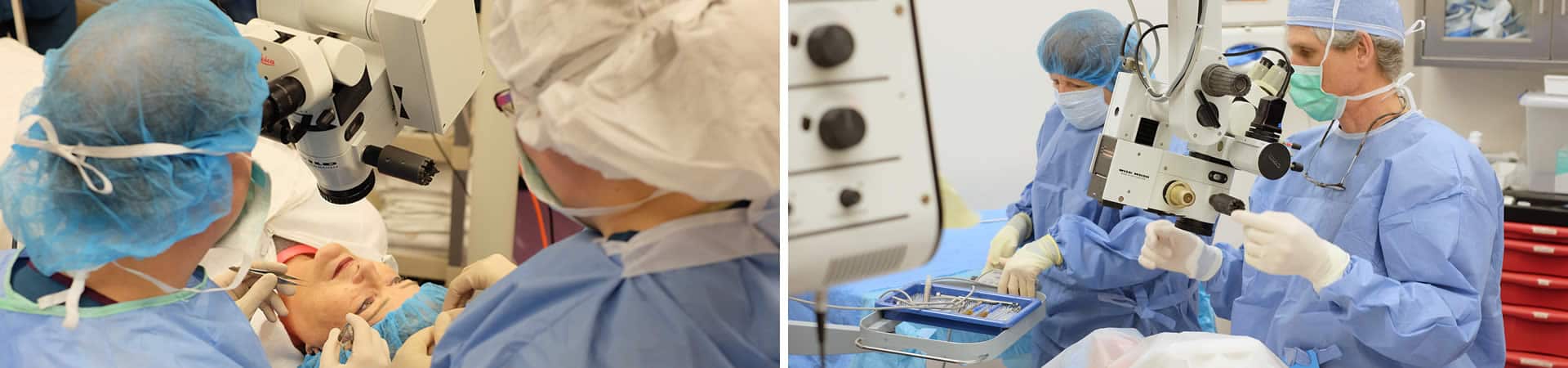
During cataract surgery, a small ultrasonic probe is inserted into the eye which breaks up, or emulsifies, the cloudy lens into tiny pieces and gently sucks, or aspirates, those pieces out of the eye. Phaco surgery requires a small incision of only 2.85 mm or less. To make your procedure as painless as possible, anesthesia is a combination of local and/or topical along with IV sedation.
With advanced of foldable IOLs, artificial lenses can be implanted through the same small incision that is created in the phaco procedure. These IOLs are made of a flexible material, allowing them to be folded for implantation. Once inside the eye, the lens unfolds and returns to its original shape. Exciting new options for implants give patients a real opportunity to decrease and in many cases eliminating the need for glasses for distance and reading!
Multifocal Implants
Tecnis® IOL
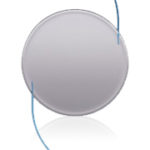 Manufactured by Abbott Inc., the Tecnis® IOL was designed to provide cataract surgery patients with high-quality vision comparable to that of young people. Its main concern is improving safety with vision correction. It is meant to improve functional vision – the ability to see objects in varying light conditions – especially at night and twilight and in rain, snow and fog. This means improved night vision and reduction of spherical aberrations, an undesirable scattering of light that is a common side effect of cataract surgery.
Toric™
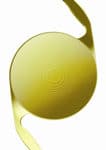 Intraocular lenses are used to correct vision problems during cataract surgery by replacing the old, damaged lens with an artificial lens that clears up and corrects vision, often leaving patients with little to no dependence on glasses. While cataract surgery corrects cloudy lenses, it still leaves patients with astigmatism with distorted vision. Toric IOLs are specially designed to correct astigmatism along with overall vision during cataract surgery, offering complete vision correction.
Crystalens™
 Crystalens™ is a new cataract replacement lens (IOL) that works naturally with muscles in the eye to retain the eye’s ability to “accommodate” – shift focus between nearby and distant objects – after cataract surgery. With other IOLs, patients lose this ability and require corrective measures such as glasses or contact lenses. Unlike rigid lenses, the flexible silicone Crystalens features hinges that allow it to move with the eye’s muscles and accommodate seamlessly, thereby reducing or eliminating the need for vision correction. The Crystalens is implanted using the same, nearly risk-free cataract surgery techniques as with other IOLs. Most people with cataracts or who have had corneal refractive surgery and retained good eye health are acceptable candidates for Crystalens implantation, but those who have already had cataract surgery are not. People with eye health problems such as chronic infections or diabetes should check with their doctors about eligibility.
Learn More
Contact our office to learn more about our procedures or to make an appointment »